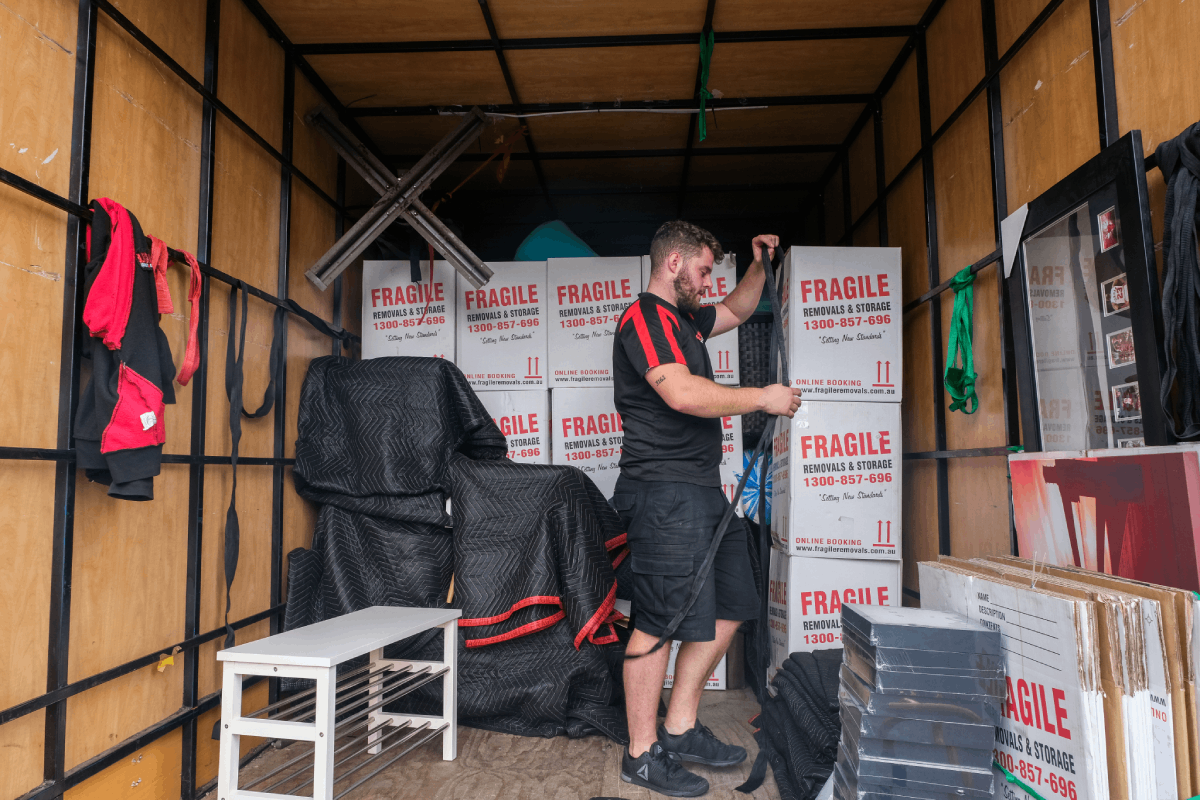
What Is The Best Way To Transport Gym Equipment?
Moving a gym starts with an equipment and access plan. List the machines, weights and accessories that need to move, then coordinate preparation, transport and setup around your business schedule.
We can help plan your gym relocation. Start with the steps below to identify the handling, access and technical work your equipment needs.
Contact a specialist in gym relocations
Gym relocations need an equipment plan and suitable handling resources. Identify any dismantling, reassembly or technical work required, and assign it to people qualified for the particular equipment.
When you contact us, we’ll guide you through a gym relocation plan in which we discuss:
- How much equipment you’ve got
- What type of equipment we’re dealing with
- A rough plan on what will be dismantled and moved first
- The rough layout of your new gym location
- How long the process will take
How our gym relocation service works
We help move home and commercial gym equipment. Agree the inventory, handling method and timetable with us, including any separate technician work required before equipment returns to use.
Your gym relocation plan should cover:
- Efficient equipment dismantling Agree the dismantling required by the model’s instructions and access route, with reassembly and technical checks assigned before collection.
- Careful handling We know how expensive and valuable your gym equipment is. That’s why we handle all your gear with the utmost care.
- Logical logistics In terms of transport, we strive for the most efficient packing and transportation methods so we can get your gym up and running as quickly as possible.
- Quality packing and wrapping materials Where necessary, we use packing and wrapping materials selected for your gym equipment. This is especially important for powered equipment like treadmills and exercise bikes.
- Layout execution We assist you with your new gym layout by paying close attention to your new floorplan, helping you maximise your gym space.
We plan transport for the equipment and locations in your agreed quote. Tell us the models, dimensions and access so we can assess the handling and resources required. Use our gym relocation service to discuss the move and any specialist preparation.
Build an equipment register before requesting the plan
List each machine, bench, rack and group of loose weights. Record make and model details, dimensions and known weights where available. Identify powered equipment and any item fixed to the building. Provide photographs or manuals when requested so the team can distinguish equipment that looks similar but has different preparation requirements.
Record accessories and detachable parts with the machine they belong to. Note existing damage or operating concerns before the move. Keep the register available to the people packing, receiving and checking the equipment, with a clear destination position for each major item.
Confirm what may be dismantled and by whom
Minimal dismantling can simplify reassembly only when it is appropriate for the machine and access route. Use manufacturer instructions and qualified technical help for tasks that need it. Do not treat general physical strength as evidence that a person can safely release a cable, spring, loaded component or electrical connection.
Agree responsibility for preparation, disconnection, dismantling, packing, reassembly and checks before use. The moving service description does not establish that every model can be serviced or certified by the removal crew. If a manufacturer or technician must attend, include that appointment in the schedule.
Keep removed components identifiable and protected according to the equipment's requirements. Avoid combining similar-looking bolts or fittings from different machines without a reliable identification method. Retain instructions with the equipment register so the receiving team can locate them.
Check access and the receiving layout
Give the team the complete path from each machine to the vehicle and from the vehicle to its new position. Describe stairs, lifts, doorways, corners, parking and loading restrictions. Confirm building access and any booking requirements before the day of the move.
Provide the new floor plan and identify which equipment positions have been agreed. Have appropriate specialists confirm any floor, anchoring, electrical or operational requirements; the removal plan does not establish structural capacity or equipment compliance. A machine fitting through the door does not prove its proposed location is suitable for use.
Use the gym relocation service to discuss the scope and the business relocation category for related planning. Tell the team if a layout change affects the handling route or installation sequence.
Separate transport completion from reopening
Plan the order of collection and delivery around the agreed work, and keep customers and uninvolved staff out of the handling area. Identify who can make decisions if access or the machine inventory differs from the quote. Stop and reassess an affected stage instead of allowing an improvised method to become the plan.
At delivery, check equipment and accessories against the register and record visible concerns. Arrange the manufacturer-recommended reassembly, installation and operational checks before equipment returns to use. A machine being unloaded in its new position is not proof that it is ready for customers.
If parts are missing, equipment is damaged or a check fails, keep the affected item out of use and contact the responsible moving or technical provider. Keep photographs and the item identifier with the report. Review insurance arrangements before the move so the relevant terms and reporting process are understood.
Plan downtime using confirmed dependencies
Ask for the expected handling stages and identify which depend on trades, building access or inspections. Use confirmed appointments to plan the business interruption rather than promising a universal number of hours. If the destination is delayed, discuss storage suitability and any additional handling before dispatch.
For a home gym, apply the same model and access checks even when the inventory is smaller. A single heavy machine can still require specialist preparation. Give the moving team the exact equipment list through the detailed quote form before agreeing the scope.
Can all gym machines be moved with minimal dismantling?
No single dismantling method suits every machine. Minimal dismantling can help only when it is consistent with the model’s instructions and the actual access route. Identify powered, fixed or tensioned components and arrange qualified technical help where needed. Agree preparation, disconnection, packing and reassembly responsibilities in advance. Do not assume physical strength or ordinary furniture experience is enough to release a cable, spring or electrical connection. Keep instructions and labelled components with the equipment register throughout the move.
Does delivery mean equipment can immediately reopen for use?
No. Delivery places equipment at the destination; reassembly, installation and operational checks must still be completed as appropriate before customers or household users return to it. Assign those tasks to suitable people and follow the manufacturer’s requirements. Check machines and accessories against the register and report visible concerns. If parts are missing or condition is uncertain, keep the affected equipment out of use until resolved. Plan reopening around the whole process rather than the truck’s arrival time alone.
What belongs in the equipment register?
Record each machine, bench, rack and group of loose weights with identification, make and model, dimensions and known weights where available. Include accessories, detachable components, existing damage or operating concerns and preparation responsibilities. Identify powered or building-fixed items and keep relevant manuals accessible. Give each major item an agreed destination position linked to the new layout. Use the same register at collection, packing, delivery and checking so similar machines or fittings are not confused.
What access and layout details should I provide?
Describe the complete route from each machine to the vehicle and into its new position, including doors, corners, stairs, lifts, parking and building restrictions. Share the proposed floor plan and identify placement priorities. Have suitable specialists resolve floor, anchoring, electrical or operational requirements where relevant; fitting through a doorway does not prove the location is ready for use. Tell the moving coordinator about layout changes before delivery so they can be assessed against the agreed handling sequence.
How can I coordinate the move with gym operations?
Choose an authorised contact and plan the sequence of preparation, transport, installation and checks around the business’s requirements. Confirm when staff and customers must be kept out of handling areas and which equipment is needed first. Book any technical provider separately and share the same schedule and register. If access, inventory or timing changes, reassess the affected stage before reopening commitments are made. Request a written plan for the actual equipment instead of relying on a universal completion time.
Images on This Page
-
https://www.fragileremovals.com.au/wp-content/uploads/2025/07/Logo.svg
Logo
-
https://www.fragileremovals.com.au/wp-content/uploads/2025/08/Services-we-provide.png
Services we provide
-
data:image/svg+xml,%3Csvg%20xmlns='http://www.w3.org/2000/svg'%20viewBox='0%200%20240%20340'%3E%3C/svg%3E
(no alt text)
-
https://www.fragileremovals.com.au/wp-content/uploads/2025/08/bg-pattern2.png
(no alt text)
-
data:image/svg+xml,%3Csvg%20xmlns='http://www.w3.org/2000/svg'%20viewBox='0%200%20254%2091'%3E%3C/svg%3E
(no alt text)
-
https://www.fragileremovals.com.au/wp-content/uploads/2025/07/footer-logo.svg
(no alt text)
-
data:image/svg+xml,%3Csvg%20xmlns='http://www.w3.org/2000/svg'%20viewBox='0%200%20109%20217'%3E%3C/svg%3E
AFRA Member
-
https://www.fragileremovals.com.au/wp-content/uploads/2025/07/member.png
AFRA Member